About Us
Our Story, Our Passion
Our Story
Kathmandu Kitchen & Bar was born from a deep love for Nepali cuisine and a desire to share the rich culinary traditions of Nepal with the world. Our journey began when our founder, inspired by the vibrant food culture of Kathmandu, decided to bring authentic flavors to a new community.
Every dish we serve tells a story - from the traditional momos that have been passed down through generations, to the aromatic curries that warm the soul. We source the finest ingredients and prepare each meal with the same care and attention that you would find in a home kitchen in Nepal.
Today, we continue to honor these traditions while creating a welcoming space where friends and family can gather to enjoy exceptional food and create lasting memories.
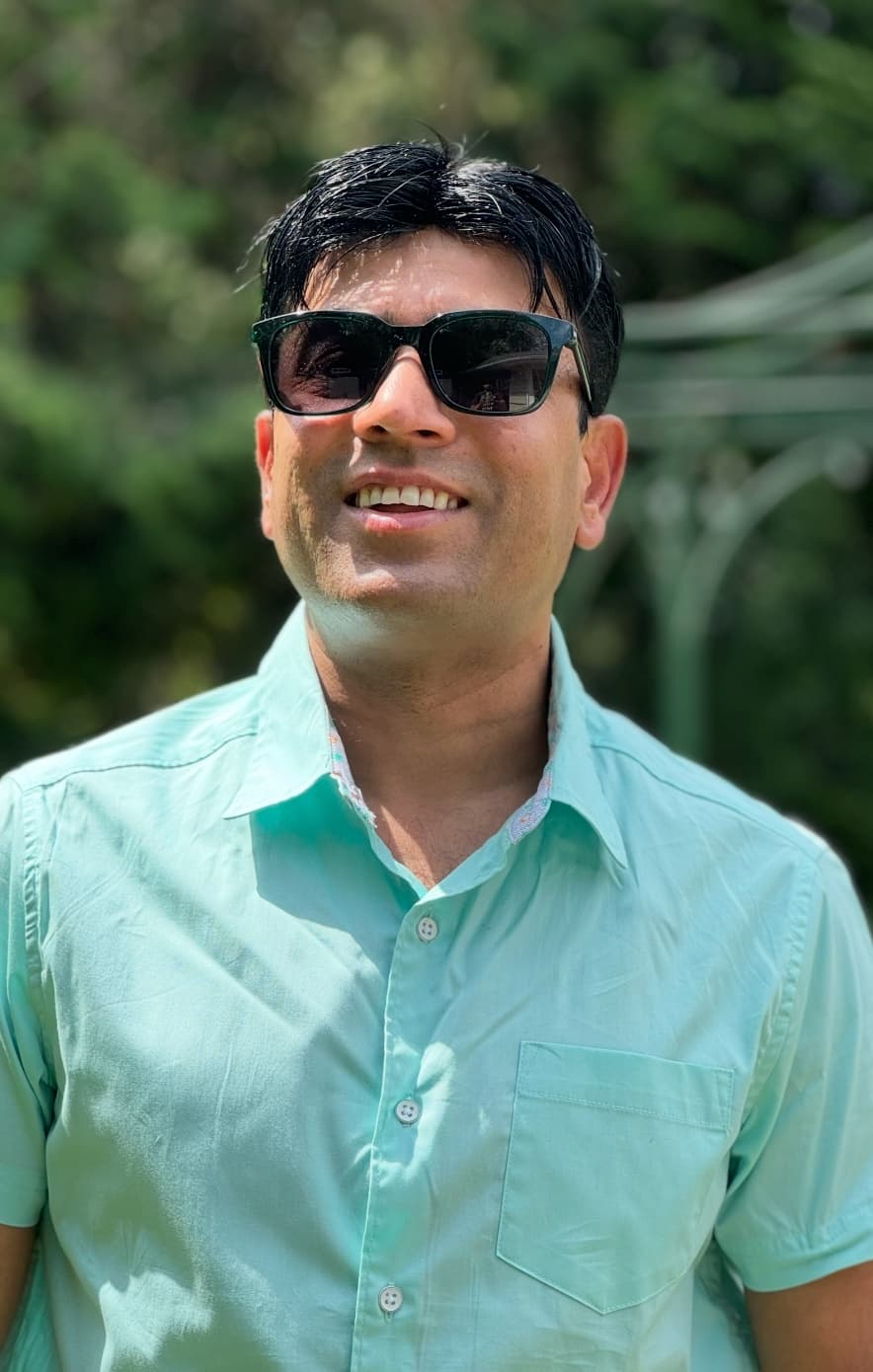
Meet Our Chef
Krishna Rimal
Chef Krishna Rimal brings over 20 years of culinary experience, having trained in traditional Nepali kitchens and worked in renowned restaurants across the region.
With a deep understanding of spice blending and traditional cooking techniques, Chef Krishna ensures that every dish maintains the authentic flavors that make Nepali cuisine so special.
Passionate about preserving culinary heritage while embracing innovation, Chef Krishna creates memorable dining experiences that honor tradition.
Our Values
The principles that guide everything we do
Authenticity
We stay true to traditional recipes and cooking methods.
Quality
Only the finest ingredients make it to your plate.
Community
We build connections through shared meals and experiences.
Sustainability
We source responsibly and minimize our environmental impact.
A Brief History of Nepal
Our food carries thousands of years of culture, tradition, and story. Understanding Nepal helps you taste it more deeply.
Ancient Nepal
Nepal is the birthplace of Siddhartha Gautama — the Buddha — born in Lumbini around 563 BC. Ancient kingdoms flourished in the Kathmandu Valley, and the region became a crossroads of trade and pilgrimage between India and Tibet. The Licchavi dynasty (4th–9th century) produced remarkable art and architecture still visible today.
Medieval Kingdoms
The Malla dynasty ruled the Kathmandu Valley for centuries, splitting into three rival city-states: Kathmandu, Patan, and Bhaktapur. This era produced extraordinary temples, palaces, and festivals — many of which remain central to Nepali culture and identity. The Durbar Squares of each city are UNESCO World Heritage Sites.
Shah Dynasty & Unification
Prithvi Narayan Shah unified the many small kingdoms into a single Nepal in 1768, establishing Kathmandu as its capital. Nepal successfully resisted British colonization, remaining one of the few South Asian nations never fully colonized. The Rana oligarchy controlled the country through the 19th and early 20th centuries.
Democracy & Modern Nepal
King Tribhuvan ended Rana rule in 1951 and introduced democracy. Nepal opened to the outside world, and mountaineering became central to its identity — Sir Edmund Hillary and Tenzing Norgay summited Everest in 1953. Decades of political change culminated in the 2008 abolition of the monarchy and establishment of a federal democratic republic.
Federal Republic
Today Nepal is a diverse federal republic of 30 million people, home to 125 ethnic groups and 123 languages. It sits between India and China, housing 8 of the world's 10 highest peaks including Mount Everest. Nepali culture — its food, festivals, hospitality, and art — continues to thrive and share itself with the world.
Every dish at Kathmandu Kitchen & Bar is a small piece of this living history — made with the same spices, techniques, and love passed down through generations.